Complete Guide:How to Choose OBC Power? Which Scenarios Suit 3.3kW, 6.6kW, 11kW, and 22kW On-Board Chargers?

How to Choose OBC Power? Which Scenarios Suit 3.3kW, 6.6kW, [...]
How to Choose OBC Power? Which Scenarios Suit 3.3kW, 6.6kW, 11kW, and 22kW On-Board Chargers?
Selecting the correct On-Board Charger (OBC) power level is crucial for balancing charging speed, cost, weight, and overall vehicle performance. The four common options — 3.3kW, 6.6kW, 11kW, and 22kW — each serve different vehicle types and usage scenarios.
Here’s a practical guide to help you make the right choice.
OBC Power Level Comparison Overview
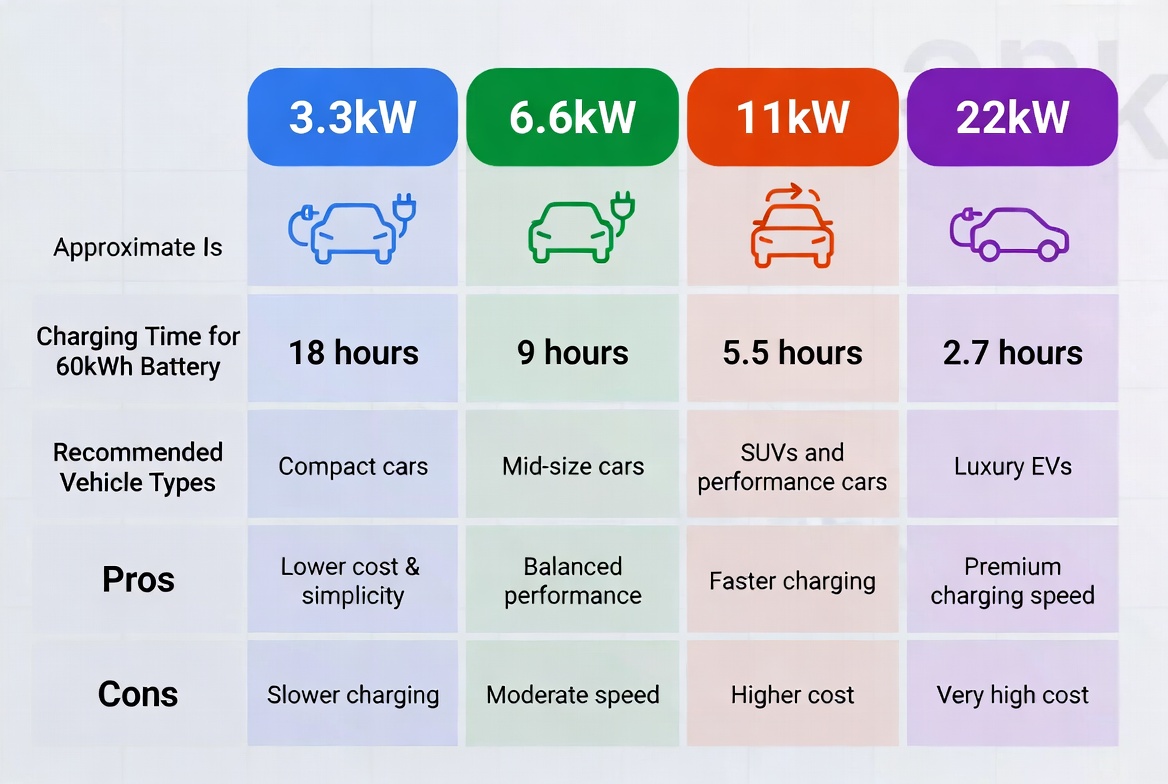 Figure 1: OBC Power Levels Comparison Figure 1: OBC Power Levels Comparison |
Detailed Guidance for Each Power Level
3.3 kW OBC
Best suited for small city cars, plug-in hybrids, and budget EVs with smaller batteries. Ideal for users with very light daily driving needs or limited home electrical capacity.
Advantage: Lowest cost and lightest weight.
Limitation: Slow charging speed.
6.6 kW OBC — The Most Popular Choice
This is the sweet spot for the majority of passenger electric vehicles, including compact sedans, crossovers, and family SUVs with 50–80 kWh batteries. Most private owners can fully charge overnight with a 6.6 kW OBC.
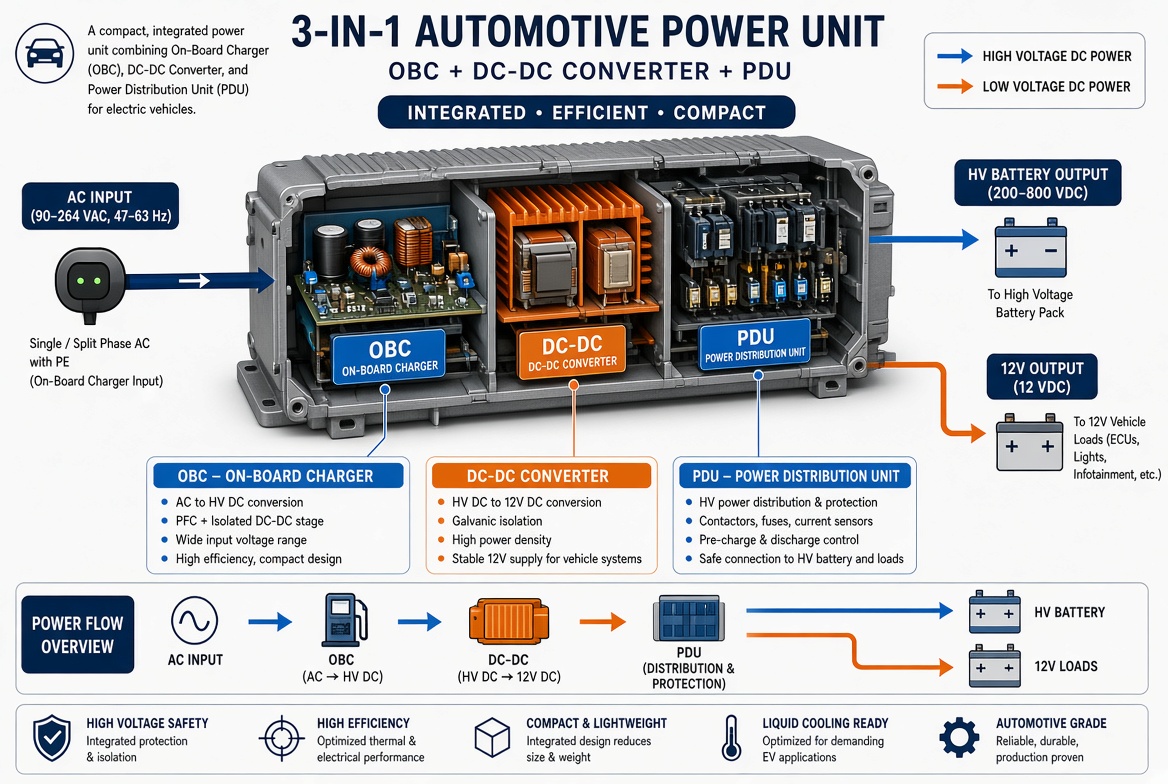
Ovar Tech offers both single 6.6 kW OBC and integrated 6.6 kW OBC + 1.5/2 kW DC-DC solutions that deliver excellent efficiency and reliability.
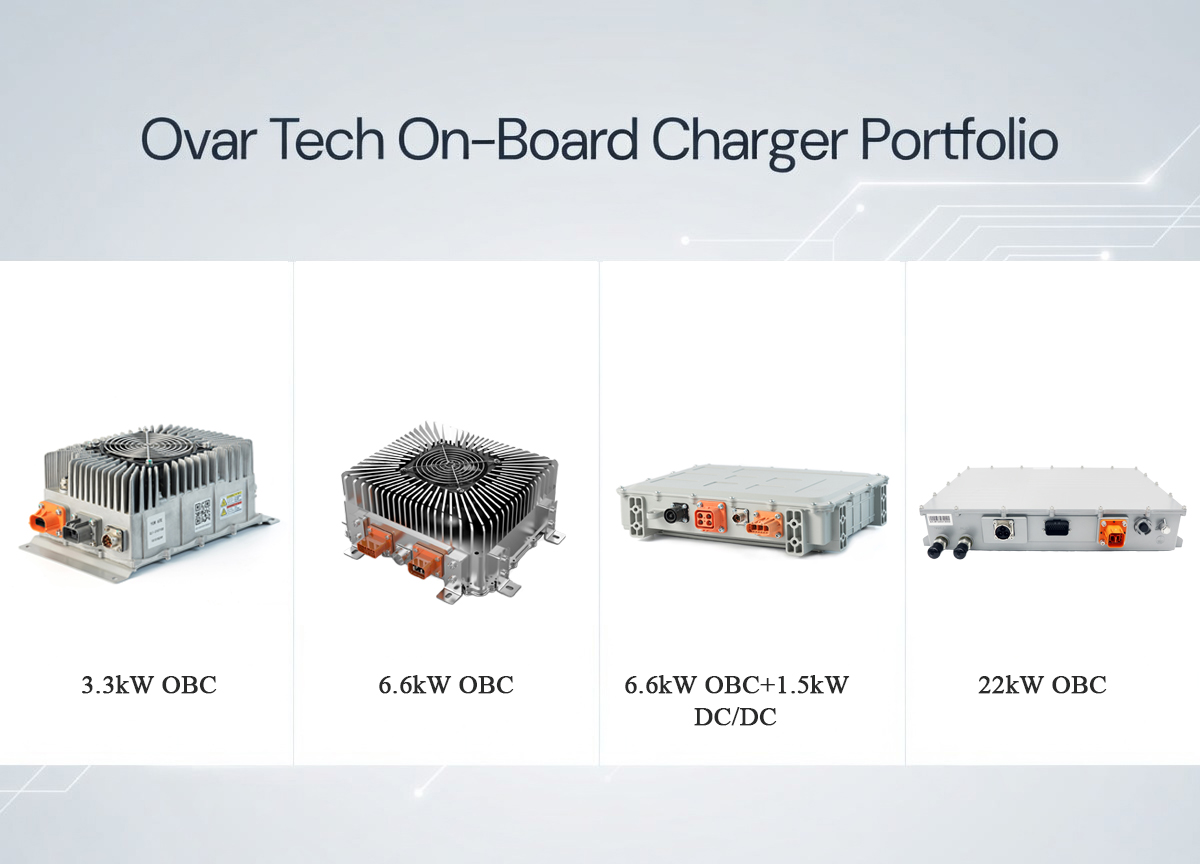
Figure 2: Ovar Tech On-Board Charger Solution |
11 kW OBC
Suitable for premium sedans, larger SUVs, and vehicles with bigger batteries (80 kWh+). It provides noticeably faster AC charging and works well in homes or offices with 3-phase power.
Ovar Technology’s 11 kW OBC + 3 kW DC-DC integrated modules are particularly popular in commercial and premium passenger vehicle applications.
22 kW OBC
Designed for high-performance EVs, luxury cars, taxis, delivery fleets, and vehicles that require very fast AC charging. It offers the fastest possible AC charging speed but comes with higher cost and weight.
Key Factors to Consider When Choosing OBC Power
- Daily driving distance — Longer range needs faster charging.
- Available grid power — Single-phase vs 3-phase at home/work.
- Battery capacity — Larger batteries benefit more from higher kW OBC.
- Cost vs Benefit — Higher power increases vehicle price and weight.
- Future-proofing — Consider bi-directional or integrated OBC + DC-DC solutions.
Non-obvious Insight: Many people assume “the higher the better,” but data shows that 6.6 kW to 11 kW offers the best real-world balance for 80% of private users. Going to 22 kW often brings diminishing returns unless you frequently use public AC chargers or operate a fleet.
Ovar Tech’s OBC Portfolio
Ovar Technology provides a full range of reliable OBC solutions:
- Single OBC: 3.3 kW / 6.6 kW / 11 kW / 22 kW
- Integrated solutions: 6.6 kW OBC + 2 kW DC-DC, 11 kW OBC + 3 kW DC-DC (bi-directional options available)
- Wide voltage support (48V–850V)
With over 15 years of experience, strict automotive-grade quality control, and strong production capacity, Ovar helps OEMs and fleet operators select and customize the most suitable OBC power for their specific needs.
Expert Tip: “For most passenger cars, we recommend starting with 6.6 kW or 11 kW integrated OBC solutions. They deliver excellent efficiency while keeping system weight and cost under control.” — Ovar Technology Power Systems Team
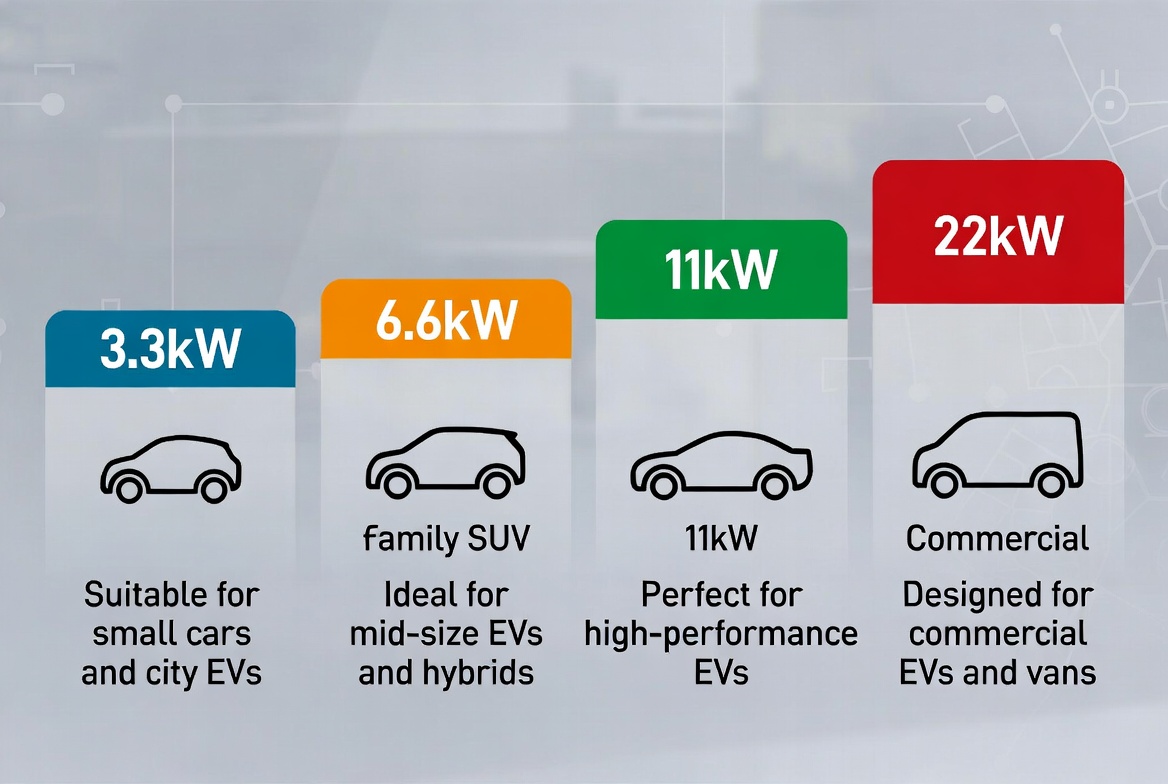 Figure 3: OBC Power vs Vehicle Type Recommendation Figure 3: OBC Power vs Vehicle Type Recommendation |
Final Advice
- Private daily driver → Choose 6.6 kW
- Premium or larger vehicle → Choose 11 kW
- Fleet or performance-focused → Consider 11 kW or 22 kW
- Budget or small city cars → 3.3 kW
Would you like help selecting the right OBC for your specific vehicle or application? Ovar Tech’s engineering team is ready to provide professional recommendations.
이 글을 공유하세요