4 Critical Reasons EVs Need a DC-DC Converter & Its Core Difference From OBC

Why Do Electric Vehicles Need a DC-DC Converter? What is [...]
Why Do Electric Vehicles Need a DC-DC Converter? What is the Essential Difference Between DC-DC Converter and OBC?
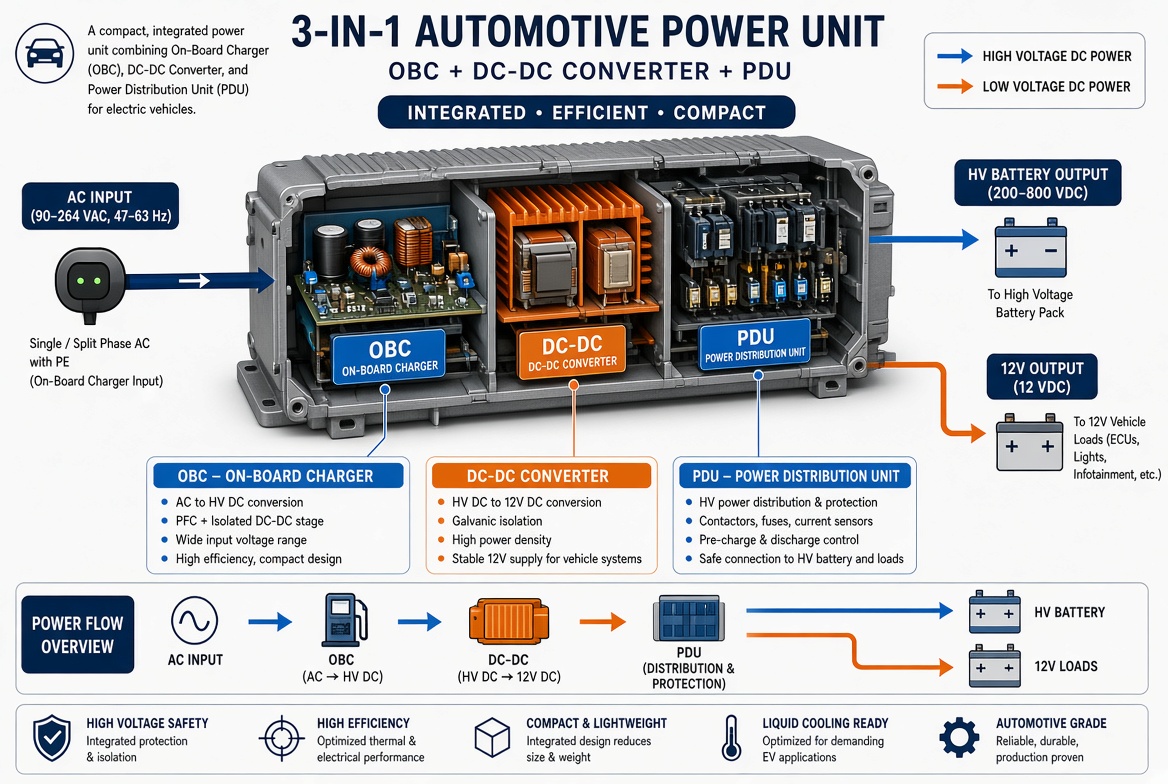
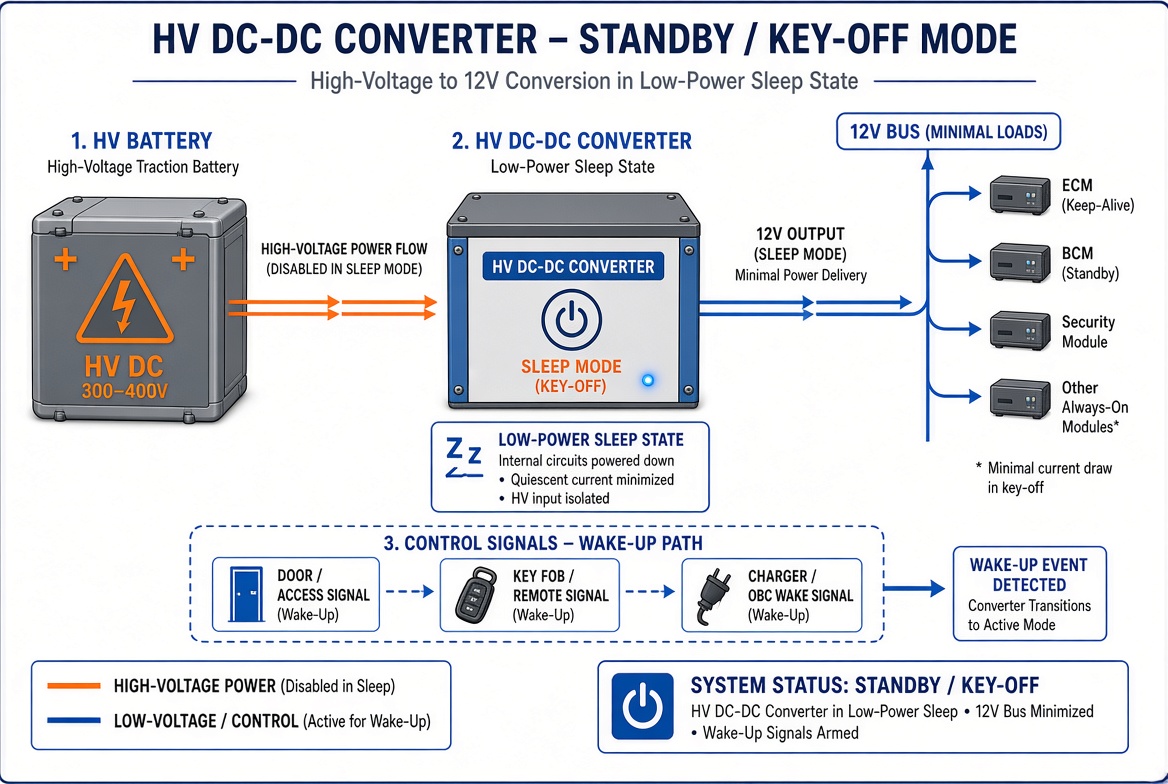
Electric vehicles need a DC-DC Converter because the high-voltage traction battery (typically 300V–800V) must be stepped down to low voltage (12V or 48V) to power the vehicle’s auxiliary systems — such as lights, infotainment, air conditioning, sensors, and electronic control units. Without a DC-DC Converter, these low-voltage components would not function.
While the OBC (On-Board Charger) converts AC from the grid into DC to charge the high-voltage battery, the DC-DC Converter takes DC from the high-voltage battery and converts it into stable low-voltage DC for the rest of the vehicle.
Core Difference Between OBC and DC-DC Converter
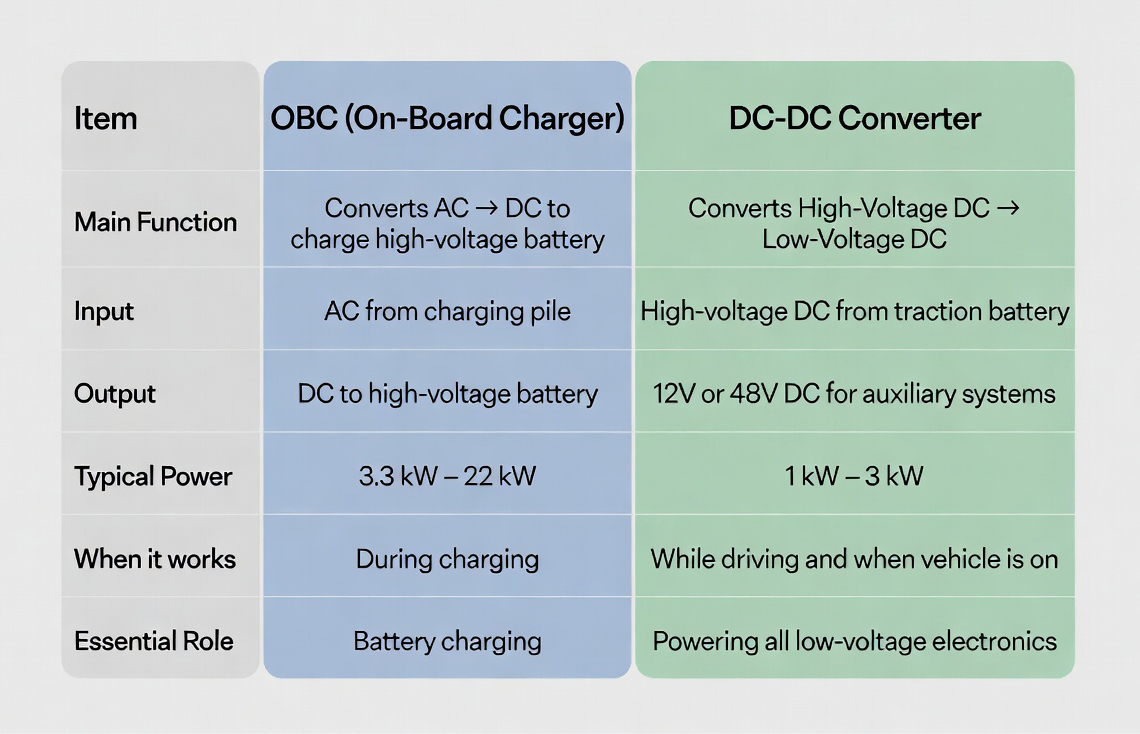 Figure 1: Core Difference Between OBC and DC-DC Converter Figure 1: Core Difference Between OBC and DC-DC Converter |
Why DC-DC Converter is Indispensable
Modern EVs have dozens of electronic components that operate on low voltage. The high-voltage battery cannot directly supply 12V or 48V power safely or efficiently. The DC-DC Converter solves this by:
- Stepping down high voltage to safe low voltage
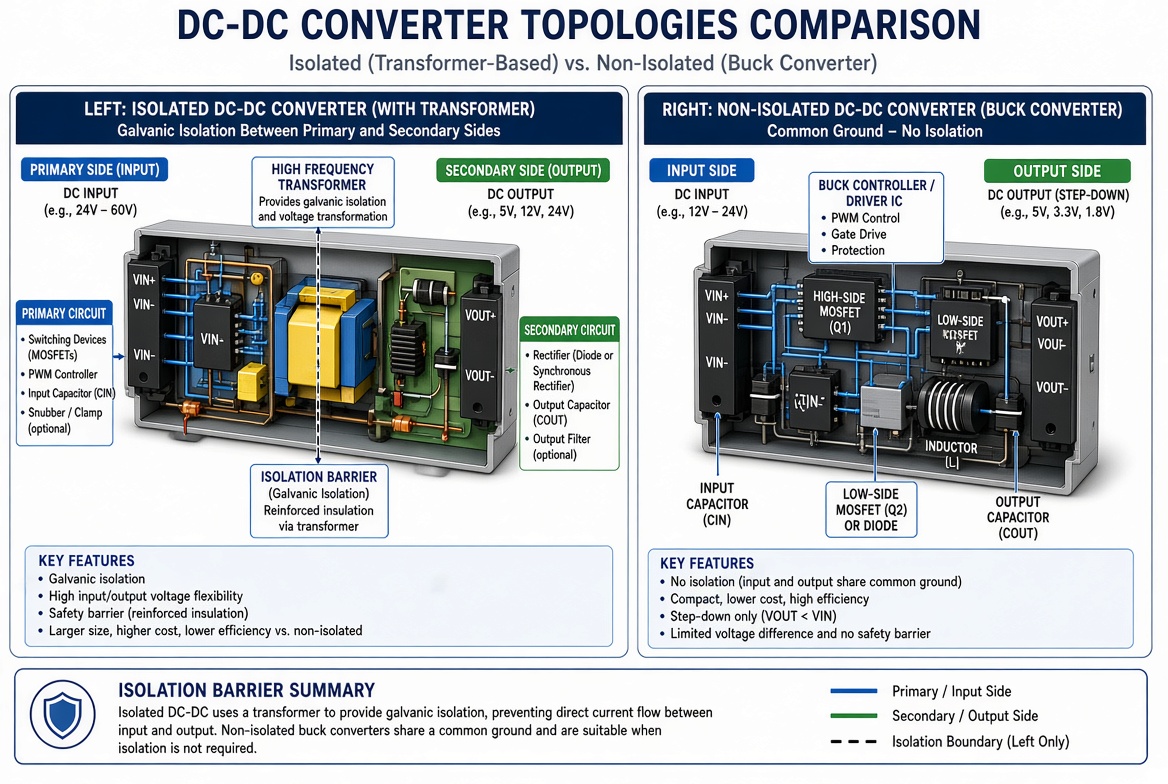
- Providing stable and isolated power supply
- Improving energy efficiency and reducing heat
- Enabling the 48V mild-hybrid architecture in newer vehicles
Non-obvious Insight: Many people focus only on the OBC for charging speed, but a high-quality DC-DC Converter is equally critical for vehicle reliability. A poorly designed DC-DC can cause electrical noise, voltage fluctuations, and even failure of critical safety systems.
Ovar Tech’s DC-DC Converter Solutions
Ovar Technology offers both standalone DC-DC Converters and highly integrated OBC + DC-DC solutions, which are increasingly favored by vehicle manufacturers.
Ovar’s DC-DC product range includes:
- 1 kW – 3 kW standalone DC-DC Converters
- Integrated solutions such as 6.6 kW OBC + 1.5/2 kW DC-DC and 11 kW OBC + 3 kW DC-DC (including bi-directional versions)
These products support wide input voltage ranges and are widely used in passenger cars, commercial vehicles, industrial utility vehicles, and marine applications.
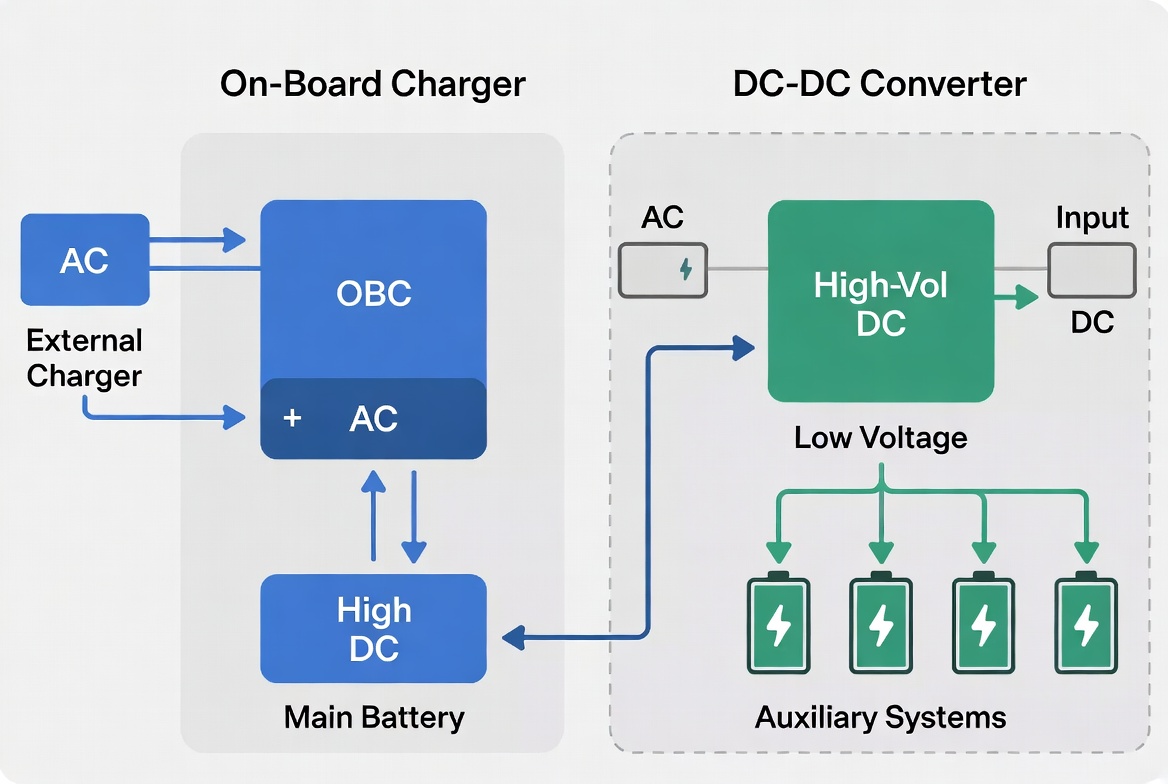 Figure 2: Essential Difference Between OBC and DC-DC Converter Figure 2: Essential Difference Between OBC and DC-DC Converter |
Ovar’s integrated OBC + DC-DC modules significantly reduce wiring harness weight, save space, and improve overall system efficiency — making them an ideal choice for next-generation EV platforms.
Conclusion
The OBC is responsible for charging the high-voltage battery from AC power, while the DC-DC Converter is essential for converting that high-voltage DC into low-voltage power to run the vehicle’s everyday electronics. Both are indispensable, but they serve completely different purposes in the electric vehicle power architecture.
Ovar Technology provides mature, reliable standalone and integrated DC-DC solutions to help automakers build safer, more efficient electric vehicles.
Would you like professional advice on selecting the right DC-DC Converter or integrated power solution for your project? Feel free to contact Ovar Tech.
이 글을 공유하세요