What Is a 3-in-1 Charging and Distribution Unit (OBC + DC-DC + PDU)? Which Vehicle Models Is It Suitable For?

What Is a Three-in-One Charging and Distribution Unit (OBC + [...]
What Is a Three-in-One Charging and Distribution Unit (OBC + DC-DC + PDU)? Which Vehicle Models Is It Suitable For?
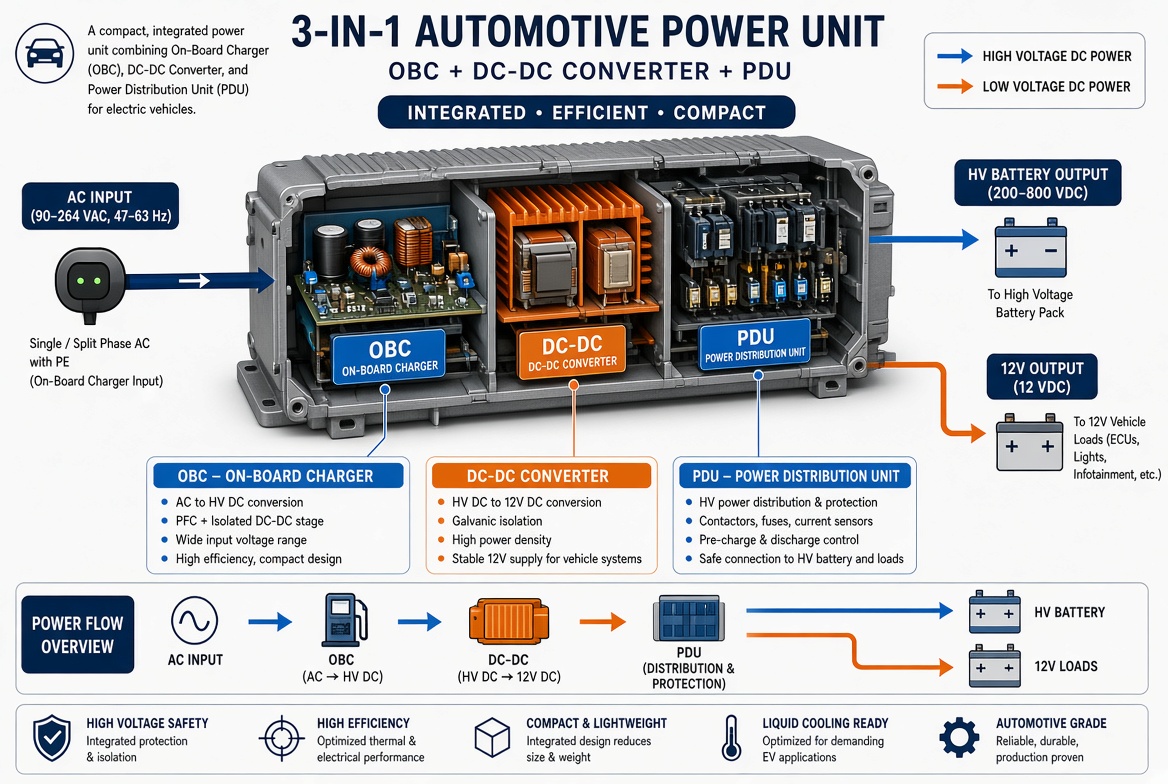
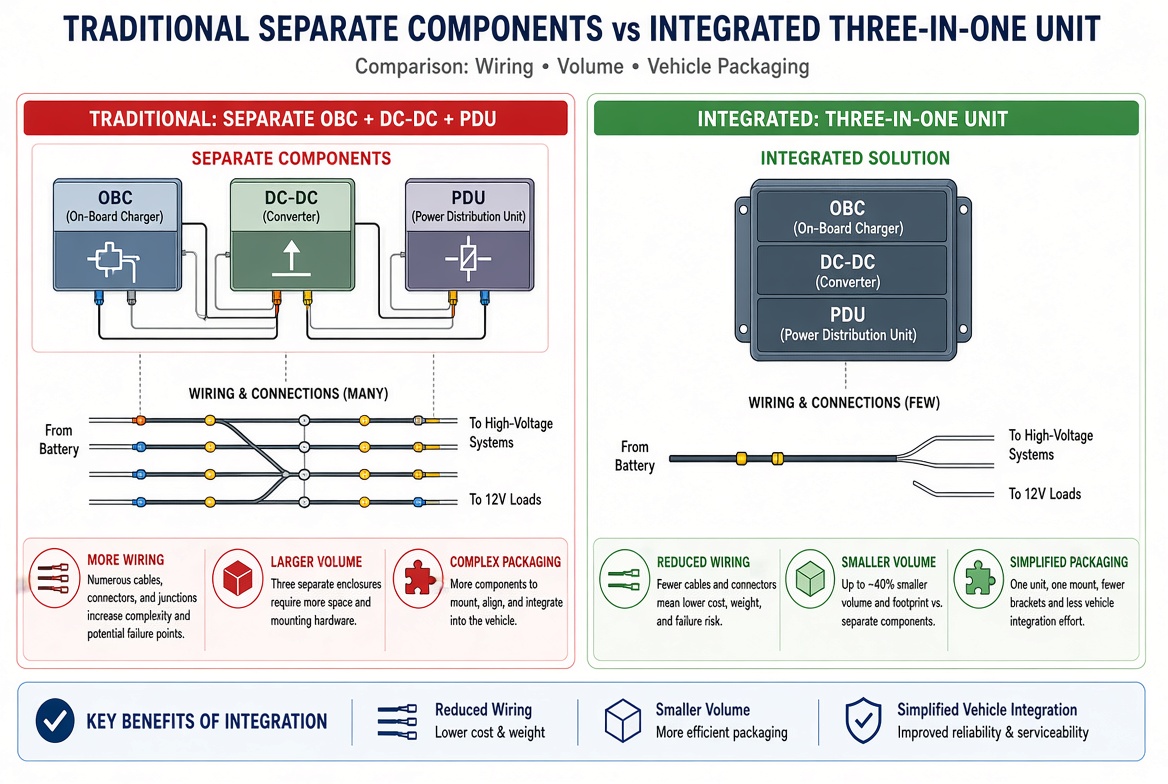
A three-in-one charging and distribution unit integrates the On-Board Charger (OBC), high-voltage DC-DC converter, and Power Distribution Unit (PDU) into a single compact module. This highly integrated solution reduces system weight, volume, wiring complexity, and overall cost while improving reliability and packaging efficiency. It is particularly well-suited for modern passenger electric vehicles, light commercial EVs, and certain dedicated electric platforms that prioritize space and cost optimization.
 |
1. Core Functions of Each Component
On-Board Charger (OBC)
Converts AC power from the charging station (single-phase or three-phase) into high-voltage DC to charge the traction battery. Typical power ratings range from 6.6 kW to 22 kW.
High-Voltage DC-DC Converter
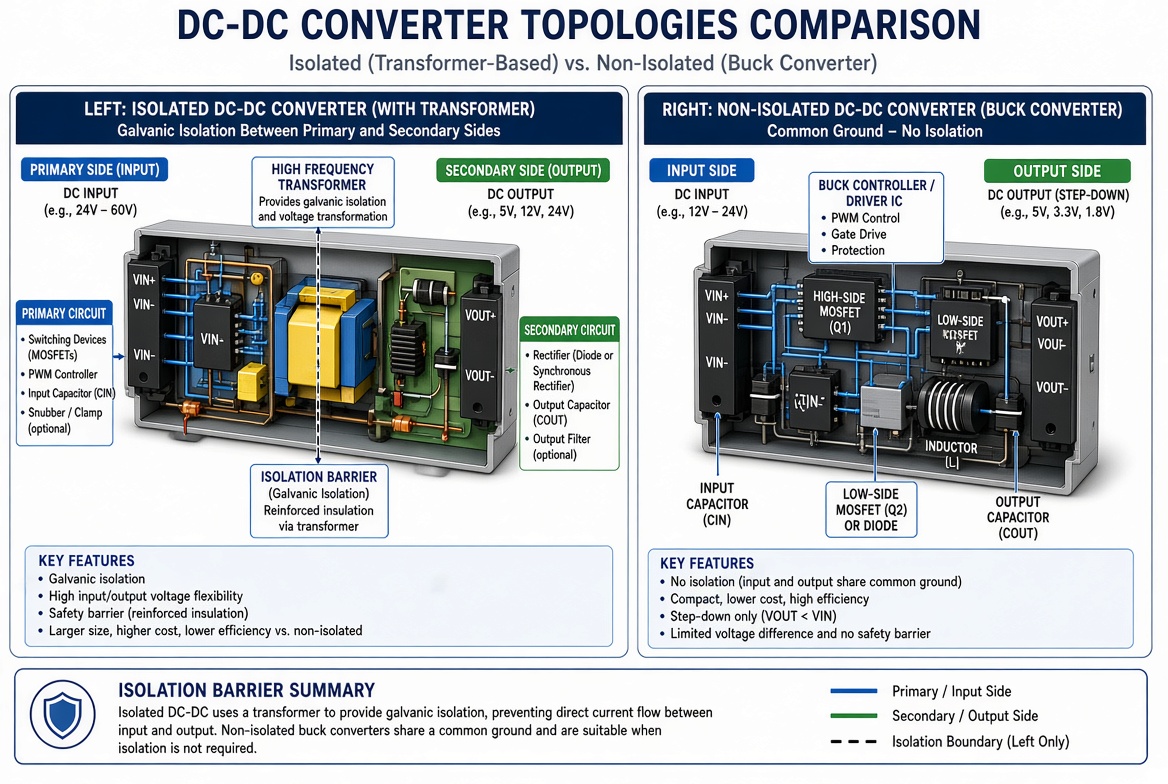
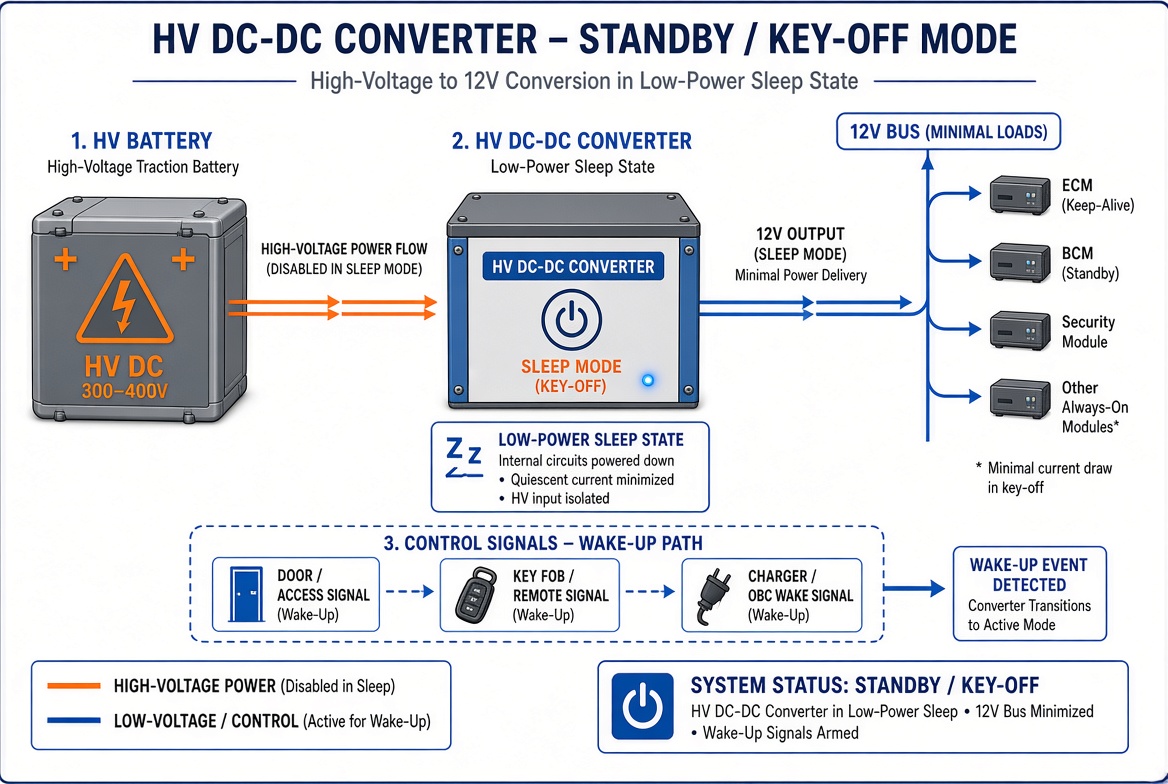
Steps down the high-voltage battery power (400 V or 800 V) to a stable 12 V or 24 V supply for the vehicle’s low-voltage electrical system, including controllers, lighting, sensors, and accessories.
Power Distribution Unit (PDU)
Manages and distributes high-voltage power within the vehicle. It includes contactors, fuses, current sensors, and pre-charge circuits to safely connect or disconnect the battery, motor inverter, OBC, DC-DC, and other high-voltage loads.
By combining these three functions into one housing, the three-in-one unit eliminates multiple separate enclosures, connectors, and high-voltage cables.
2. Key Advantages of the Three-in-One Architecture
- Significant space and weight savings — Shared housing, cooling system, and mechanical structure reduce overall volume and mass.
- Lower system cost — Fewer components, simplified wiring harnesses, and reduced assembly time.
- Improved reliability — Fewer interconnection points mean fewer potential failure modes.
- Simplified thermal management — A unified liquid-cooling or air-cooling circuit serves all three functions.
- Faster vehicle assembly — One module replaces three separate units, streamlining production.
Ovar Tech already offers highly integrated OBC + DC-DC solutions (such as 6.6 kW OBC + 1.5/2 kW DC-DC and bi-directional 11 kW + 3 kW modules). These products form a strong foundation for further integration toward full three-in-one systems that also incorporate PDU functionality.
3. Typical System Architecture
The three-in-one unit usually features:
- AC input interface for the OBC
- High-voltage DC connections to the battery and traction inverter
- Low-voltage 12 V/24 V output from the DC-DC
- Internal high-voltage bus with contactors and protection devices managed by the PDU section
- Shared control board and communication interfaces (CAN, diagnostics)
- Unified cooling channels
This architecture allows the vehicle’s Battery Management System (BMS) and Vehicle Control Unit (VCU) to manage charging, low-voltage power supply, and high-voltage distribution through a single module.
4. Suitable Vehicle Models and Applications
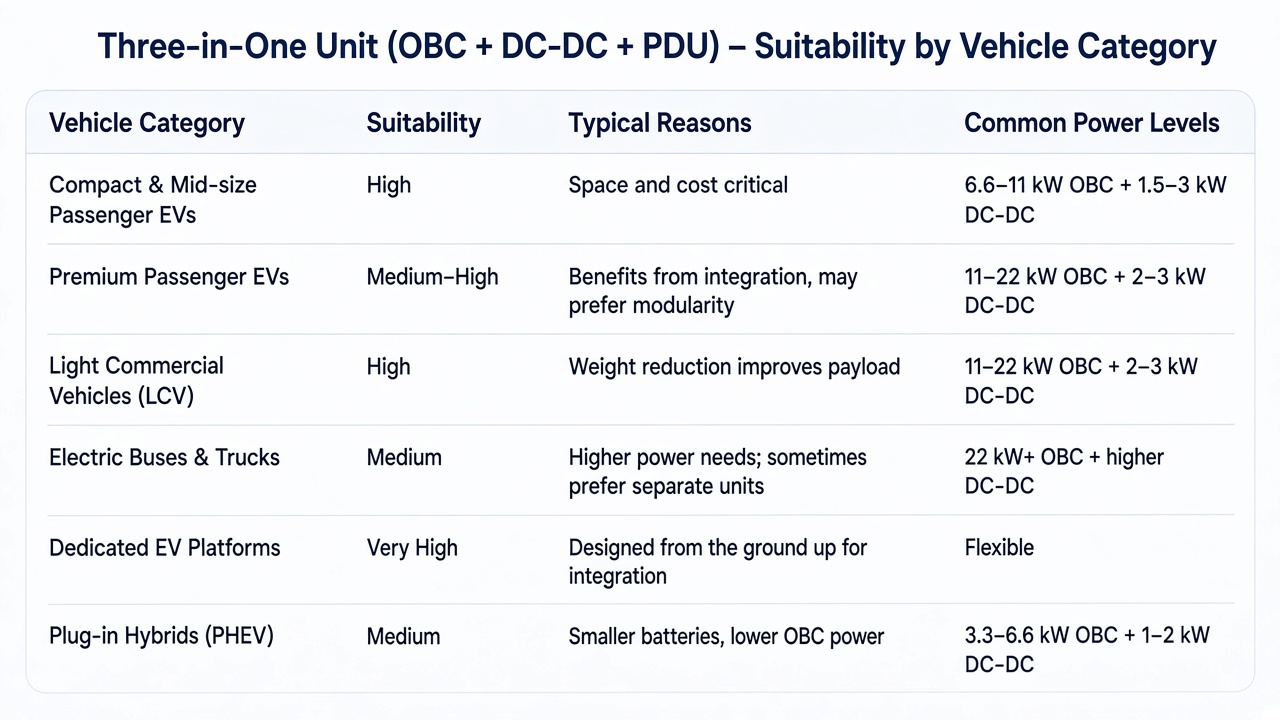 |
Three-in-one units are especially attractive for high-volume passenger car platforms and light commercial vehicles where every kilogram and every liter of space impacts cost and performance.
5. Design Considerations and Challenges
- Thermal design must handle simultaneous heat generation from the OBC (during charging) and the DC-DC (during driving).
- Electromagnetic compatibility (EMC) becomes more complex when multiple high-power stages share the same enclosure.
- Functional safety (ISO 26262) requires careful partitioning of control and protection functions.
- Serviceability — Highly integrated modules may be more expensive to replace if one function fails.
- Scalability — Platforms with very different power requirements may still prefer separate units for flexibility.
Despite these challenges, the trend toward greater power electronics integration continues to accelerate across the industry.
 |
6. Future Outlook and Ovar Tech Positioning
As electric vehicle platforms mature, more OEMs are adopting multi-function power modules to reduce cost and complexity. Ovar Tech’s existing integrated OBC + DC-DC product family (including bi-directional versions) already demonstrates strong capability in combined charging and low-voltage power supply. These solutions can serve as the core building block for next-generation three-in-one systems that also incorporate intelligent power distribution.
Conclusion
The three-in-one charging and distribution unit (OBC + DC-DC + PDU) represents an advanced level of power electronics integration that delivers clear benefits in weight, volume, cost, and reliability. It is particularly well-suited for compact-to-mid-size passenger electric vehicles, light commercial EVs, and dedicated electric platforms where packaging efficiency is critical. While higher-power commercial vehicles may still use separate units for flexibility, the overall industry direction strongly favors increased integration. Manufacturers such as Ovar Tech, with proven integrated OBC + DC-DC technology, are well-positioned to support this evolution toward more compact and efficient vehicle electrical architectures.
Compartir este artículo