Critical Uses of Bi-directional OBC: What It Is, How V2L/V2G/V2V Works & True Cost

What is Bi-directional OBC? Can It Enable V2L, V2G, and [...]
What is Bi-directional OBC? Can It Enable V2L, V2G, and V2V? How About Real Efficiency and Cost?
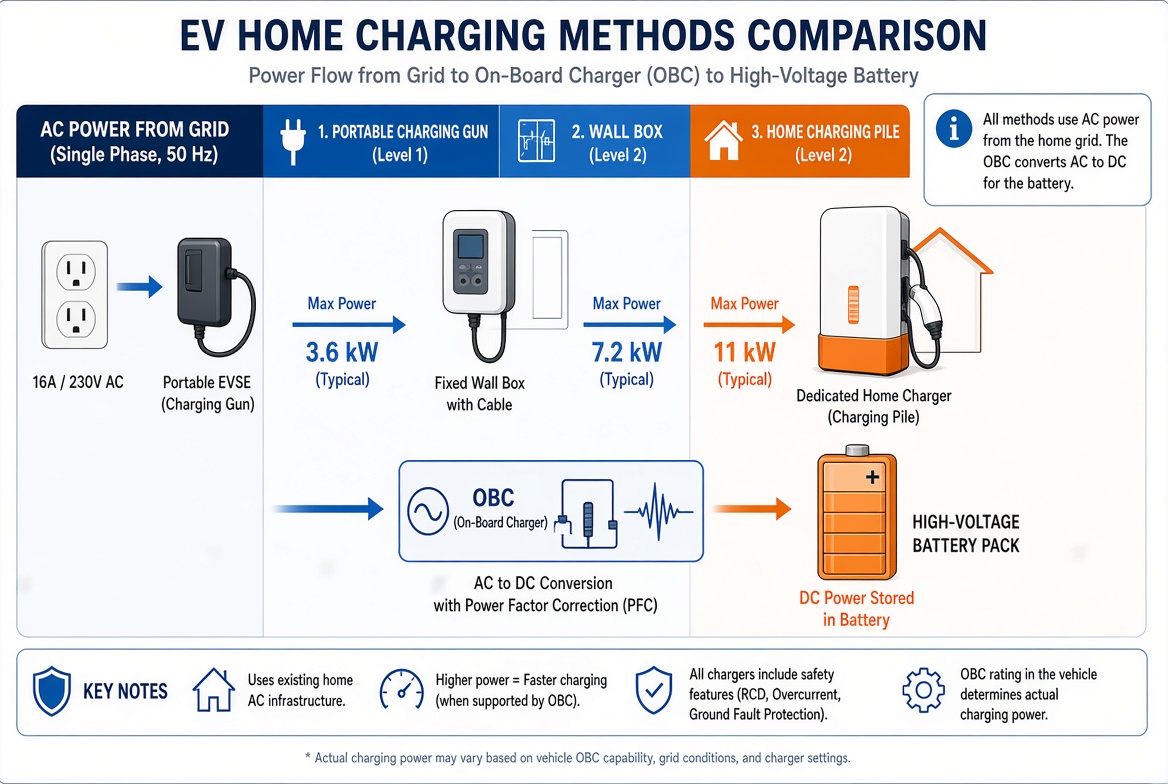
A Bi-directional OBC (On-Board Charger) is an advanced power electronic device that can convert AC power from the grid into DC to charge the vehicle’s high-voltage battery, and also convert DC power from the battery back into AC power to supply electricity externally. Unlike traditional one-way OBCs, bi-directional OBC allows energy to flow in both directions.
This technology turns an electric vehicle into a flexible energy asset rather than just a consumer.
What Can Bi-directional OBC Actually Achieve?
Bi-directional OBC enables three major applications:
- V2L (Vehicle-to-Load): The EV can power external devices such as household appliances, power tools, or camping equipment.
- V2G (Vehicle-to-Grid): The vehicle can feed electricity back to the power grid during peak hours, helping stabilize the grid and potentially generating income.
- V2V (Vehicle-to-Vehicle): One EV can transfer energy to another EV in emergency situations.
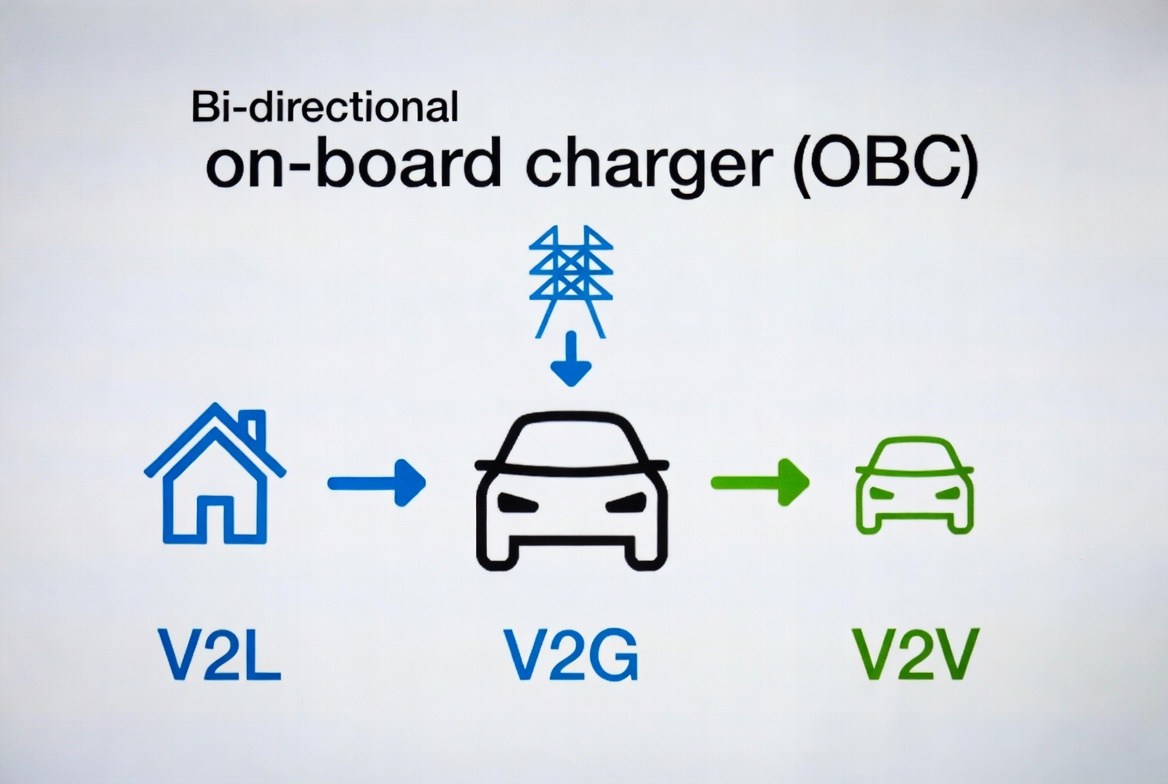 Figure 1: Bi-directional OBC Applications – V2L, V2G, and V2V Figure 1: Bi-directional OBC Applications – V2L, V2G, and V2V |
Ovar Tech’s Bi-directional OBC Solutions
Ovar Technology has developed practical bi-directional OBC solutions that are already used in various EV platforms:
- Bi-directional 6.6 kW OBC + 2 kW DC-DC
- Bi-directional 11 kW OBC + 3 kW DC-DC
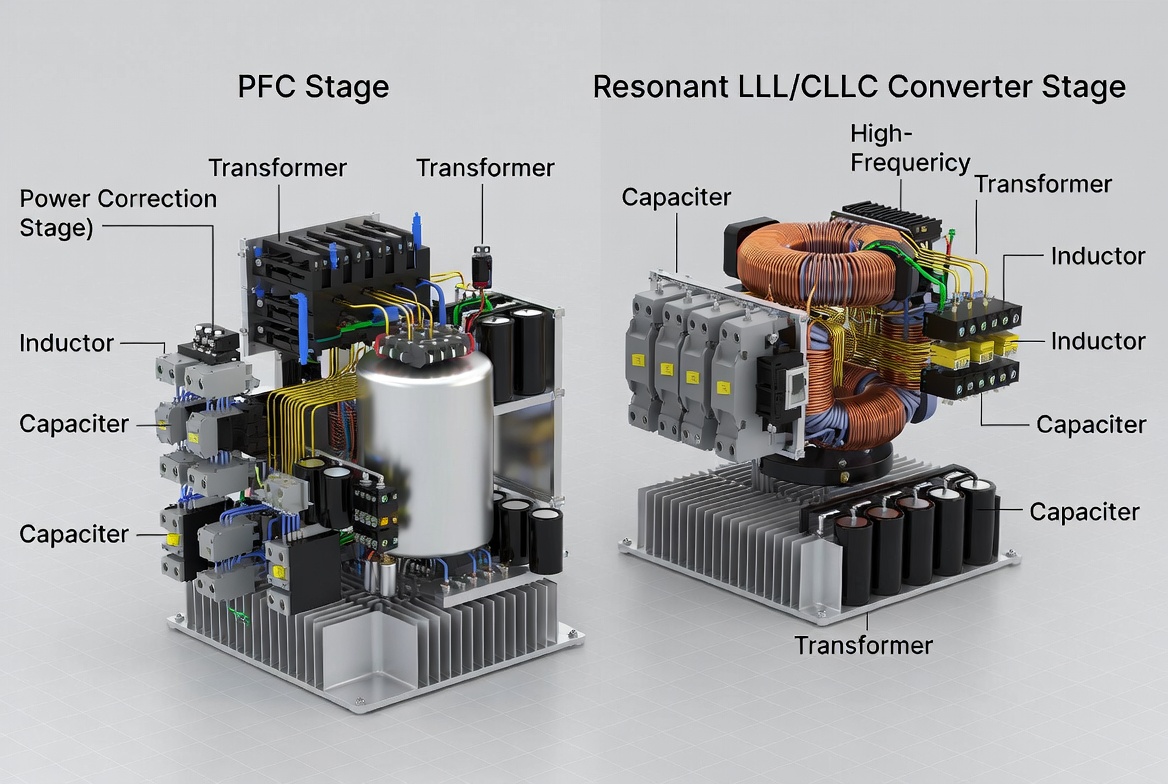
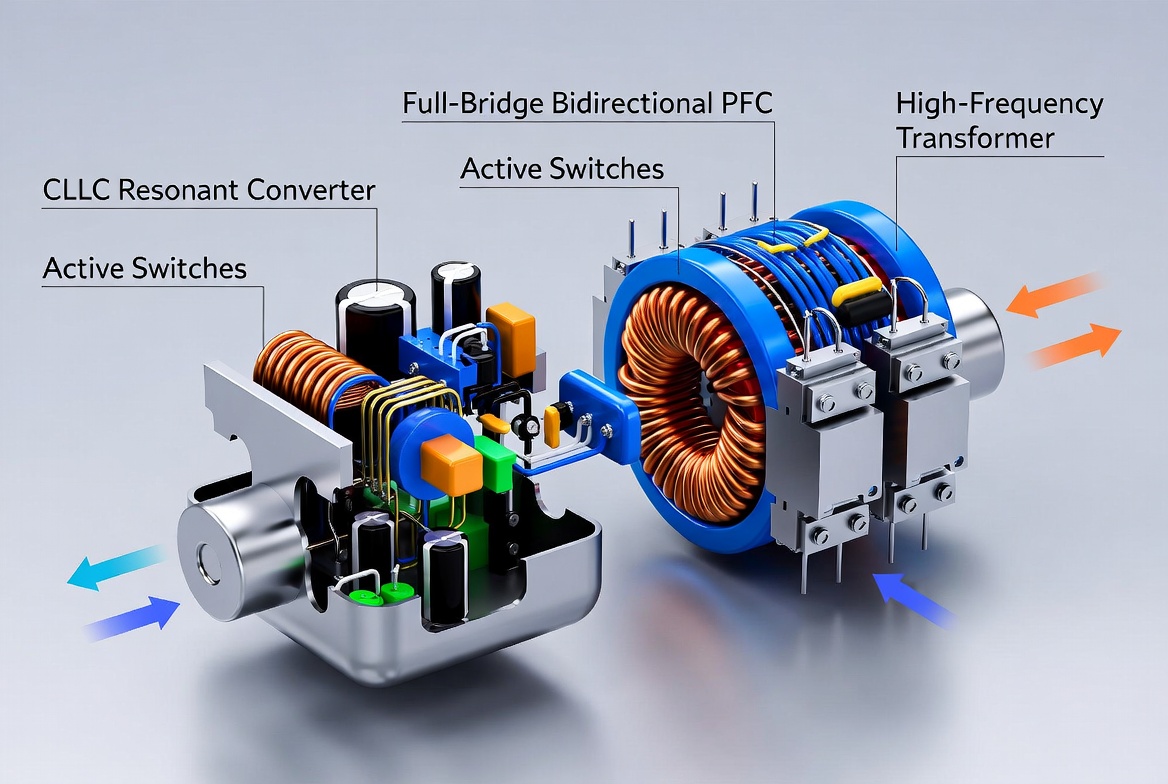
These integrated modules combine bi-directional charging with DC-DC conversion in a compact and efficient design, helping reduce vehicle weight and system complexity.
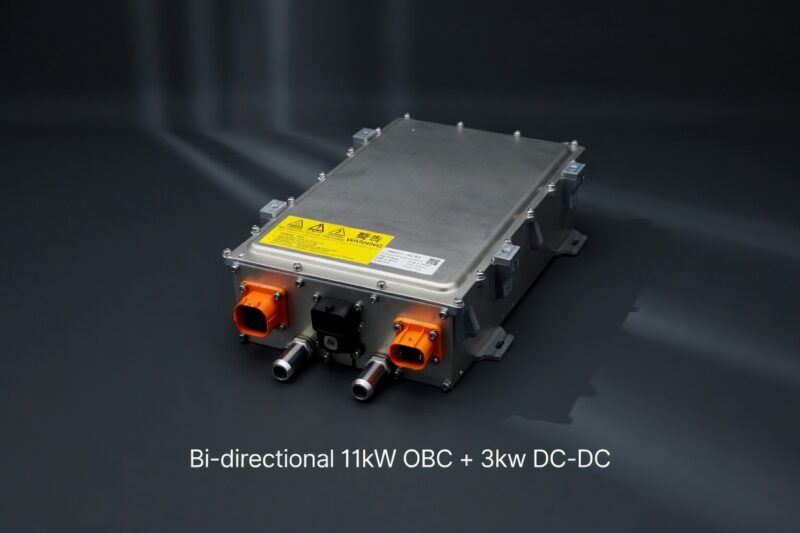 Figure 2: Ovar Tech Bi-directional 11kW OBC + 3kW DC-DC Module Figure 2: Ovar Tech Bi-directional 11kW OBC + 3kW DC-DC Module |
Real Efficiency and Cost
Efficiency: Ovar’s bi-directional OBC solutions typically achieve a round-trip efficiency (AC→DC→AC) of 92%–95%. In V2L mode, the efficiency can reach up to 94%. While slightly lower than traditional one-way OBCs, the added functionality makes this trade-off worthwhile for most users.
Cost: Bi-directional OBCs are generally 30%–60% more expensive than standard OBCs due to more complex power electronics and control systems. However, for users who need backup power or plan to participate in V2G programs, the long-term benefits often offset the higher initial cost.
Practical Insight: Bi-directional capability is most valuable for fleet operators, users in areas with unstable power supply, or those who frequently need portable power (camping, outdoor work, emergencies).
When Does It Make Sense to Choose Bi-directional OBC?
Bi-directional OBC is highly recommended if you:
- Need emergency backup power (V2L)
- Want to participate in smart grid programs (V2G)
- Operate a fleet with high daily energy demands
- Desire future-proof technology for your EV platform
Conclusion
Bi-directional OBC transforms electric vehicles from simple transportation tools into versatile energy solutions. It enables V2L for daily convenience, V2G for grid support and potential revenue, and V2V for emergency energy sharing.
Ovar Technology’s bi-directional 6.6 kW and 11 kW integrated OBC solutions provide a reliable, efficient, and practical way to adopt this advanced technology today.
Interested in bi-directional OBC for your next project? Contact Ovar Tech for professional technical support and customized solutions.
Share This Article